If you run a store in Orlando and worry about keys, this piece speaks directly to that problem. I have worked with commercial clients and field technicians and I write from hands-on experience, not speculation. The goal is to leave you with realistic steps, clear trade-offs, and confidence to act quickly after a key-related emergency.
Why losing key control is a real business risk in Orlando
One misplaced key can turn into a liability faster than most managers expect. Retail shops and offices share the same basic vulnerabilities when control over keys slips. Insurers notice patterns and sometimes raise premiums after a security incident, and the loss often costs more than a rekey or lock swap.
What to do in the first hour after discovering a missing business key
Contact a 24 hour locksmith who knows commercial systems, and focus first on containing who can use the missing key. Treat master keys as compromised until proven otherwise, because they unlock multiple areas and carry higher risk. Write down exactly when and how the key was noticed missing and which doors are affected, since that record will help the locksmith and any insurer.
Sizing the problem: simple lost key or a systemic compromise
When only one office key is gone, you can often limit changes to that cylinder and a few adjacent doors. Master-keyed systems spread risk across many doors, making targeted fixes risky and often prompting broader hardware changes. Think in terms of impact: who has access, what value is stored, and how quickly you can change locks when making the decision.
Options for regaining control and the trade-offs for each
If the hardware is in good shape, rekeying is fast and economical, yet it keeps the same physical locks. Cylinder replacement refreshes the keying with less disruption than full lock replacement, though it requires compatible parts and stock. Switching to a controlled-key system or restricted keyway increases administrative control and reduces duplication risk, but those systems cost more and can require owner approval in leased spaces. Electronic locks or badge systems remove many physical key headaches and provide logs, yet they require upfront investment and ongoing technical maintenance.
How a 24 hour locksmith Orlando service can help after hours
Emergency locksmiths who serve Orlando commercially carry cylinder cores, master keying tools, and options to patch systems the same night. They can perform temporary measures such as installing a temporary cylinder, securing high-value areas, and scheduling full changes during daylight where necessary. Request proof of insurance, commercial experience, and familiarity with insurance procedures, since claims are easier with a documented chain of custody and professional invoices.
Handling master keys and multi-tenant situations in practical terms
If a single master key grants access across many doors, replacing or rekeying only a few cylinders can leave you exposed to overlooked vulnerabilities. A full rekey of the master system is disruptive and costs more, but it restores a single root of trust and eliminates doubt about who can enter. Coordinate with property management and review leases before altering shared access, because keys can be a contractual matter in multi-tenant buildings.
How restricted key systems stop casual duplication
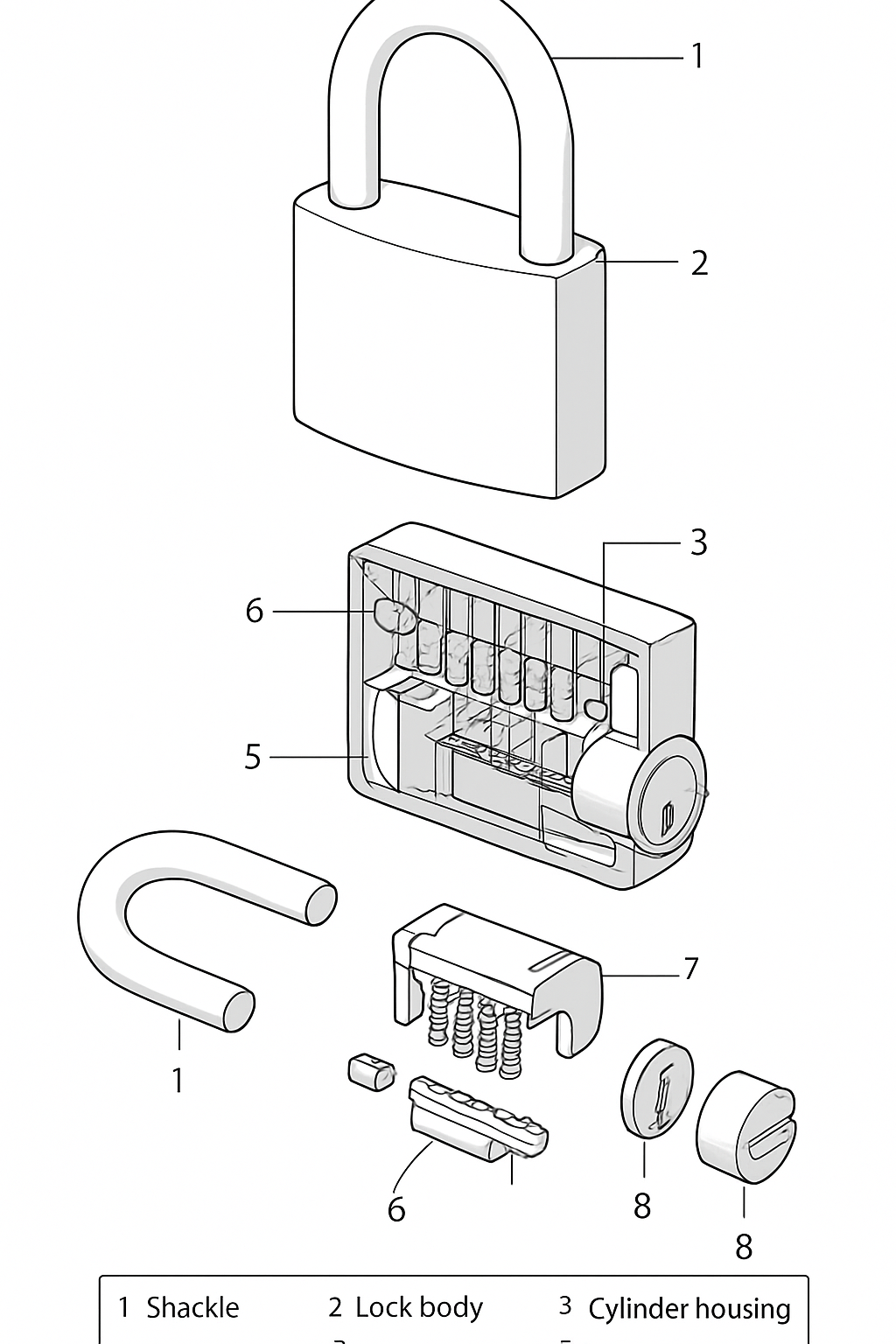
Restricted keyways use manufacturer controls and patent protections to limit who can legally duplicate a key, and this reduces casual copying from retail hardware stores. A client of mine switched to patented blanks and saw a drop in unauthorized copies, largely because staff could no longer walk into a big-box store and order copies. Expect to trade flexibility for control, because restricted keyways require certified channels for new keys and additional purchase steps.
When to consider badge or code systems for business security
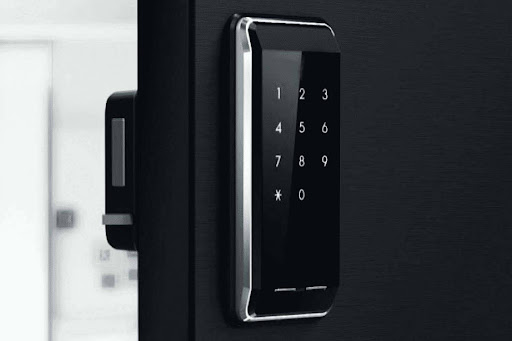
Badge or credential systems let you turn off an individual's access the moment a credential is lost, which is a major advantage during emergencies. When you go electronic, add battery backups, service agreements, and tested failover plans because hardware and network outages can otherwise create lockouts. Phase the conversion by prioritizing high-value areas first, allowing you to spread cost and test workflows before committing sitewide.
Human processes matter as much as hardware when it comes to key control
A clear key control policy binds staff to check-in/check-out rules, inventory requirements, and lost-key reporting procedures. Teach employees the reasons behind restricted key policies and the exact steps to report lost or suspicious key activity to ensure fast containment. Use a small, auditable key cabinet or mechanical key safe for critical keys and log each access manually or digitally to create traceability.
Budgeting for emergency changes: realistic costs and timing
Budget small rekey jobs in the low hundreds per lock, and plan for multi-thousand-dollar ranges when whole-system work is needed. Restricted and electronic options demand higher initial investment, but they reduce repeat incidents and administrative friction over time. After-hours service carries premium fees, but rapid response can avoid inventory loss or liability that would be far costlier.
An account from an Orlando shopkeeper who faced a midnight key crisis
One client lost a master key at closing and called an emergency locksmith who arrived within the hour to secure critical areas and plan a full fix. The quick fix involved swapping one cylinder and adding a secondary lock on https://locksmithunit.com/locksmith-williamsburg-fl/ the safe, then completing a full system rekey when staff and vendors were available. The staged response kept the store open, contained risk, and allowed the owner to plan a wider system change without immediate shutdown.
Choosing a vendor: questions to ask and red flags to watch for
Verify that the locksmith has done commercial master-key work before and can show references and invoices from similar jobs. Insist on insurance proof and a written breakdown of emergency labor, parts, and return visits to keep costs transparent. Red flags include refusal to produce credentials, vague timelines, and pressure to accept unnecessary hardware upgrades without proper explanation.
A final practical checklist to follow after a key emergency
Make the first call to a commercial 24 hour locksmith Orlando provider who knows master systems and can act after hours. Move high-value inventory or lock it in an alternate secure container and write down the timeline and witness statements to preserve the record. Decide on the scale of remediation based on the key type, then schedule rekey, cylinder change, or phased electronic conversion according to budget and risk tolerance.
A lost key does not have to become a catastrophe if you act with speed, the right vendor, and clear priorities. After the incident, create a lean key control policy and pick a trusted vendor to make future responses routine and predictable. A site survey that maps doors, key levels, and tenant needs will give you a clear cost-benefit picture for rekeying, restricted keyways, or electronic conversion.